
BILLINGS, Mont. – New federal rules proposed for pipelines that carry oil and other hazardous liquids could have prevented more than 200 accidents since 2010, including a Michigan rupture that ranks as the costliest onshore spill in U.S. history, federal officials said.
The U.S. Transportation Department proposal announced Thursday covers more than 200,000 miles of hazardous liquids pipelines that crisscross the nation — a network that expanded rapidly over the past decade as domestic oil production increased.
Included in the proposal are new inspection requirements for pipelines in rural areas, increased use of leak-detection systems and a requirement for companies to more closely analyze inspection results.
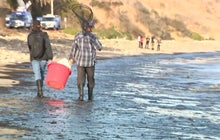
Pipeline breach leads to oil spill on California coast
Left out were requirements for the industry to install more automatic or remote-controlled valves that can quickly shut down a line when spills occur.
Officials plan to address the valve issue separately, said Marie Therese Dominguez, chief of the Transportation Department’s Pipeline and Hazardous Materials Safety Administration.
The delay was criticized by Rep. Lois Capps, D-California, whose district includes the Santa Barbara County coastline where a May rupture of a corroded pipe spilled 101,000 gallons of crude oil, some of which flowed into the ocean, formed a large slick and stained beaches.
“Federally regulated oil and gas pipelines currently are not required to use the best automatic shut-off technologies available and that needs to change,” Capps said in a statement.
0 Comments